Cute Bear Display Font: A Playful Choice for Kids-Focused Design
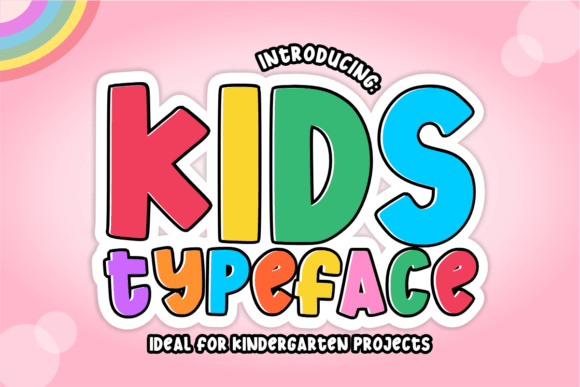
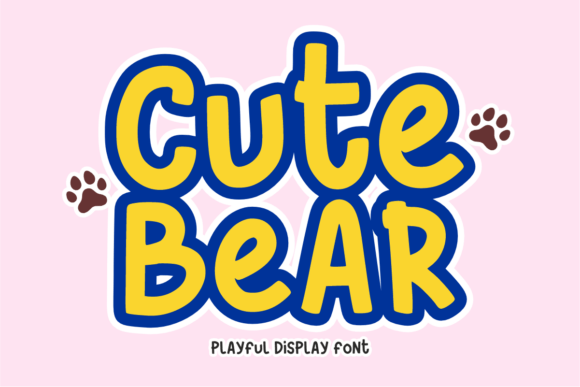
Cute Bear is a display font designed with a focus on charm and approachability. It features rounded, bold characters that give it a hand-drawn feel, making it ideal for projects aimed at children or those seeking a whimsical aesthetic. The font's design emphasizes readability while maintaining a playful tone, which makes it suitable for a variety of creative applications.
Understanding the Appeal of Cute Bear
For designers looking to add a touch of sweetness to their work, Cute Bear offers a unique visual identity. Its thick strokes and soft curves create a sense of warmth and friendliness, which can be especially effective in environments where comfort and joy are key. This font is often used in contexts such as nursery decor, children’s clothing, and educational materials.
One of the main reasons someone might consider Cute Bear is its ability to convey a sense of innocence and playfulness. It can help draw attention and evoke positive emotions, which is particularly useful when targeting younger audiences or creating content that needs to feel inviting.
Benefits and Considerations
The primary benefit of using Cute Bear is its strong visual impact. The font's bold style ensures that text stands out, which can be advantageous in signage, posters, and other forms of visual communication. Additionally, its clean lines and high legibility make it well-suited for both digital and print formats.
However, there are also considerations to keep in mind. While Cute Bear excels in creating a fun and engaging atmosphere, it may not be the best choice for more formal or professional settings. Its playful nature could clash with the tone of serious documentation, corporate branding, or academic materials. Designers should weigh the context of their project before deciding if this font aligns with their goals.
Another factor to consider is versatility. Although Cute Bear is excellent for certain types of projects, it may not offer the same level of adaptability as more traditional or versatile fonts. For instance, it may not be the best option for long-form text due to its stylized appearance.
Situations Where Cute Bear Excels
Cute Bear shines in situations where a lighthearted and friendly vibe is desired. It works particularly well in children's media, including books, games, and educational tools. Its design also makes it a popular choice among crafters who use tools like Cricut and Silhouette for creating personalized items such as stickers, labels, and decorative elements.
In addition, this font can enhance the appeal of promotional materials for businesses targeting families or young consumers. Whether designing a birthday card, a party invitation, or a product label, Cute Bear can help create an inviting and memorable impression.
When Alternatives Might Be More Suitable
While Cute Bear is a great option for specific uses, there may be instances where alternative fonts would be more appropriate. For example, if a designer needs a font that offers greater flexibility across different sizes and mediums, they might explore more standard sans-serif or serif options. These alternatives often provide better scalability and are more widely accepted in various design contexts.
Additionally, for projects requiring a more sophisticated or minimalist look, a simpler font with less ornamentation may be preferable. In these cases, the playful nature of Cute Bear could detract from the intended message or aesthetic.
Designers should also consider the technical aspects of using Cute Bear. Since it is a display font, it may not be optimized for extended reading sessions or complex layouts. Ensuring that the font complements the overall design and does not compromise usability is essential.
Practical Insights for Choosing Cute Bear
When evaluating whether Cute Bear is the right fit for a project, it's important to assess the target audience and the overall tone of the design. If the goal is to create something that feels warm, welcoming, and fun, then this font could be an excellent choice. However, if the project requires a more neutral or professional appearance, it might be worth exploring other options.
It's also helpful to review examples of how others have used Cute Bear in their designs. Seeing how the font performs in real-world applications can provide valuable insights into its strengths and limitations. Experimenting with different styles and layouts can further help determine if it meets the specific needs of the project.
Ultimately, the decision to use Cute Bear should be based on a clear understanding of the project's requirements and the desired outcome. By carefully considering the font's characteristics and how they align with the design goals, creators can make an informed choice that enhances their work without compromising its effectiveness.